%2Ffit-in%2F250x250%2Fusers%2Ffb49f5fb-b92e-4452-b354-09d50bea0f8d%2Fimages%2F0ae57f4d-f689-491c-a54c-078647655cf0.jpg&w=1200&q=100)
/users/fb49f5fb-b92e-4452-b354-09d50bea0f8d/ratecard/1721453885355x760363483271029800.png)
%2F300x300%2Fusers%2Ffb49f5fb-b92e-4452-b354-09d50bea0f8d%2Fratecard%2F1721453885355x760363483271029800.png&w=256&q=75)
%2F300x300%2Fusers%2Ffb49f5fb-b92e-4452-b354-09d50bea0f8d%2Fimages%2Fgreat-fishing-pensacola-beach-2573.jpg&w=256&q=75)
%2F300x300%2Fusers%2Ffb49f5fb-b92e-4452-b354-09d50bea0f8d%2Fimages%2Ffour-blue-marlin-pensacola-beach-2697.jpg&w=256&q=75)
%2F300x300%2Fusers%2Ffb49f5fb-b92e-4452-b354-09d50bea0f8d%2Fimages%2Fbest-fishing-pensacola-beach-2500.jpg&w=256&q=75)
%2F300x300%2Fusers%2Ffb49f5fb-b92e-4452-b354-09d50bea0f8d%2Fimages%2Ffishing-adventure-florida-2507.jpg&w=256&q=75)
%2F300x300%2Fusers%2Ffb49f5fb-b92e-4452-b354-09d50bea0f8d%2Fimages%2Ffishing-fun-florida-2647.jpg&w=256&q=75)
%2F300x300%2Fusers%2Ffb49f5fb-b92e-4452-b354-09d50bea0f8d%2Fimages%2Fpensacola-beach-fishing-2443.jpg&w=256&q=75)
%2F300x300%2Fusers%2Ffb49f5fb-b92e-4452-b354-09d50bea0f8d%2Fimages%2Ffishing-fun-in-florida-2655.jpg&w=256&q=75)
%2F300x300%2Fusers%2Ffb49f5fb-b92e-4452-b354-09d50bea0f8d%2Fimages%2Fangling-adventure-florida-2478.jpg&w=256&q=75)
%2F300x300%2Fusers%2Ffb49f5fb-b92e-4452-b354-09d50bea0f8d%2Fimages%2Ffishing-trio-florida-2532.jpg&w=256&q=75)
%2F300x300%2Fusers%2Ffb49f5fb-b92e-4452-b354-09d50bea0f8d%2Fimages%2Ffishing-adventure-fl-2688.jpg&w=256&q=75)
Top-Rated Pensacola Fishing Charters | Bandit Fishing
 Pensacola Beach, FL, USA
What you will be catching:
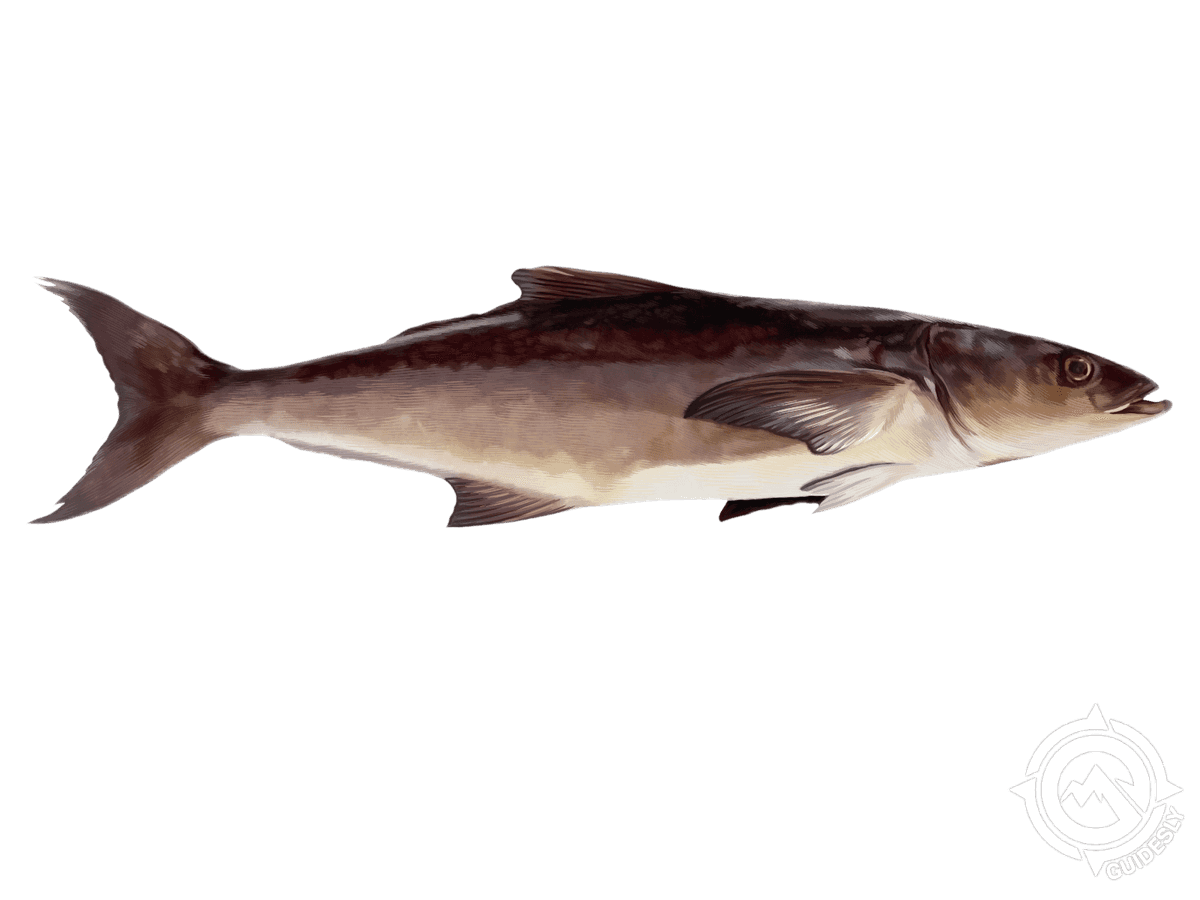
 Cobia
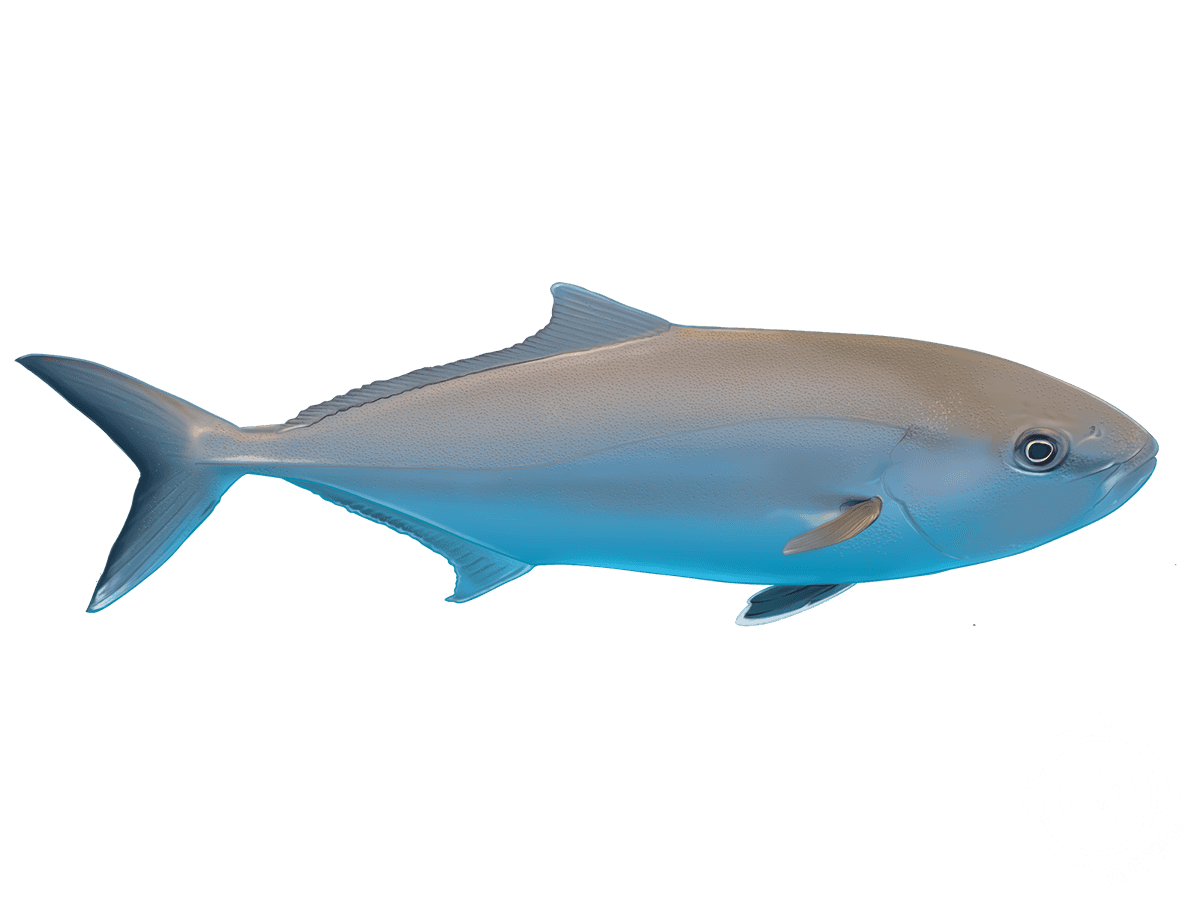
Cobia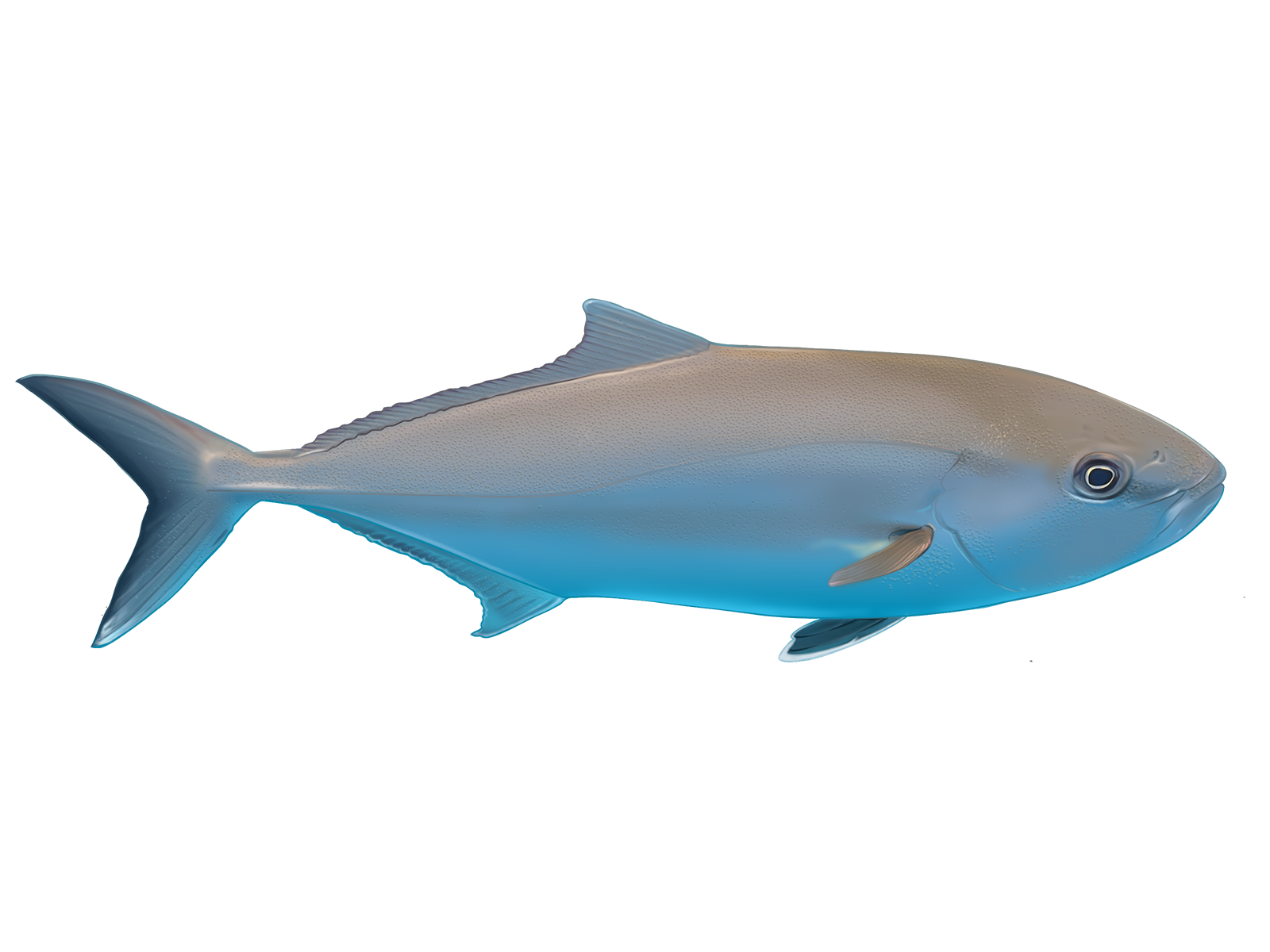 Greater Amberjack
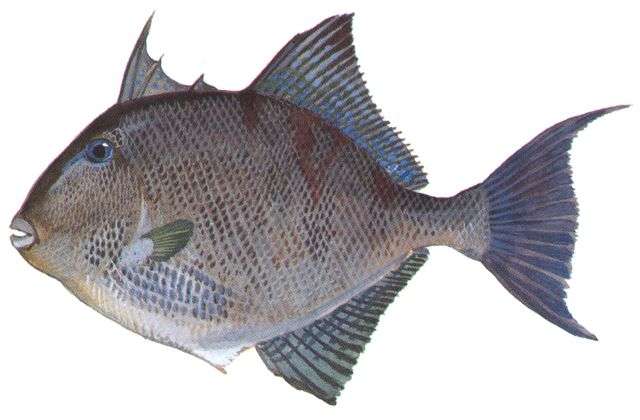
 Grey Triggerfish
 Redfish
- 3/4 day cobia, triggerfish, snapper, and grouper targeting
- Expert captain provides tackle, live bait, and local knowledge
- Accommodates up to 4 anglers with fishing license included
Trip Pricing and Availabilities:
Trip pricing information is temporarily unavailable.
Extended Half Day Wreck Fishing In Pensacola
There's nothing quite like dropping lines on the wrecks scattered across the Gulf floor near Pensacola. Captain Alex with Bandit Fishing knows these artificial reefs like the back of his hand, and he's ready to put you on some serious fish during this 3/4 day adventure. We're talking about hitting productive structure where cobia cruise the surface, triggerfish get aggressive around the wreckage, and amberjack patrol the depths. This top-rated charter takes up to 4 anglers out to explore both inshore flats and the deeper nearshore waters where these wrecks hold the best action. Your fishing license is covered, and we'll have you set up with quality gear and live bait when the fish are demanding it.
What to Expect on the Water
This customer favorite trip kicks off with Captain Alex sizing up conditions and plotting our course to the most productive wrecks for the day. The Gulf around Pensacola is loaded with artificial reefs, sunken vessels, and natural structure that creates perfect habitat for the species we're targeting. You'll spend about 6 hours working these spots, moving between different wrecks as the bite dictates. The boat comes fully equipped with everything you need, from rods and reels to tackle boxes loaded with the right jigs, bottom rigs, and live bait setups. Captain Alex keeps the group size small at just 4 anglers max, so you get plenty of personal attention whether you're a seasoned wreck fisherman or trying it for the first time. The hands-on approach means you'll learn proper techniques while actually catching fish, not just listening to lectures.
Wreck Fishing Techniques
Wreck fishing is all about understanding structure and how fish relate to it. We'll use a mix of techniques depending on what's working and what species we're after. For cobia, we'll often sight-cast with live bait or work jigs around the wreck's perimeter where these brown sharks cruise. Triggerfish require a more finesse approach - dropping small hooks with cut bait right into the structure where they hide. The amberjack fishing is pure power fishing, using heavy jigs and live bait to pull these bruisers up from the depths. Captain Alex will have the electronics dialed in to show you exactly how fish position around the wrecks, and you'll quickly learn to read the sonar marks that indicate feeding fish versus just bait. Live bait makes a huge difference on these trips when the fish are finicky, and we'll have a good selection of pinfish, grunts, and other local baits that wreck fish can't resist.
Species You'll Want to Hook
Grey Triggerfish are the bread and butter of Pensacola wreck fishing, especially during their peak season from late spring through early fall. These feisty fighters might only run 2-4 pounds on average, but they make up for size with attitude and incredible table fare. They're territorial around structure, which makes them predictable targets once you locate a good wreck. The key is getting your bait right in their face since they won't chase it far. What makes triggerfish so exciting is their willingness to bite when other species are being stubborn, and they're absolutely delicious when properly prepared.
Redfish add some inshore excitement to the mix, particularly when we work the shallower wrecks and structure closer to shore. These copper-colored bruisers can range from slot-sized fish around 20-25 inches up to bull reds that'll test your tackle. Fall and winter months are prime time for targeting reds around Pensacola, when they school up in larger numbers. They're renowned for their fighting ability, making long runs and using their broad sides to create maximum resistance. The sight of a big red's bronze back breaking the surface never gets old.
Greater Amberjack are the world-class power fish of the wreck world, and Pensacola's deeper structures hold some real giants. These fish can easily push 40-60 pounds, with trophy specimens exceeding 80 pounds showing up regularly. Spring through early summer offers the best amberjack action when they're more aggressive and positioned higher in the water column. What makes amberjack fishing so addictive is the initial run - they'll take line like a freight train and head straight for the bottom, testing both your tackle and your technique. It's a chess match between angler and fish, with the wreck structure adding complexity to the fight.
Cobia are the trending species that gets everyone excited, especially during their spring and fall migrations along the Gulf Coast. These brown sharks, as locals call them, can range from 20-pound juveniles to 50-pound slabs that'll give you a workout. What makes cobia special around Pensacola wrecks is their curiosity - they'll often swim right up to the boat, giving you multiple shot opportunities with live bait or jigs. They're incredible table fare and surprisingly acrobatic for their size, often jumping completely out of the water during the fight. Best time for cobia is definitely spring when they're moving through in numbers, but fall can produce some monster fish.
Time to Book Your Spot
This extended half-day trip gives you serious fishing time without committing to a full day on the water. Captain Alex's local knowledge of Pensacola's wreck network, combined with quality gear and small group sizes, creates the perfect recipe for a productive day. Whether you're after triggerfish for the dinner table, looking to tangle with a bull amberjack, or hoping to sight-cast to cruising cobia, these wrecks consistently produce action. The all-inclusive setup means you just show up ready to fish - license, tackle, and expertise are all covered. Remember that deposits are non-refundable, so make sure your dates work before booking. Don't wait too long to secure your spot, especially during peak seasons when the bite is hottest and calendar dates fill up fast.
Learn more about the species
Cobia
Cobia are one of the most sought-after fish in our waters, and for good reason. These brown sharks-lookalikes average 30-50 pounds but can push 80+ pounds and 5 feet long. We find them cruising shallow reefs, wrecks, and around buoys in 20-60 feet during spring migration and spawning season. May through August is prime time here. What makes them special is they're usually solo fish, so each one is a prize. They fight hard with strong runs and the meat is absolutely top-shelf - firm texture with amazing flavor. You'll often spot them just under the surface, which makes for exciting sight fishing. My secret weapon is a bucktail jig in 4-8 ounces worked near structure. Color doesn't matter much - it's all about the presentation. When you see one, get that jig in front of them quickly but don't spook them with the boat.
Greater Amberjack
Greater amberjack are the bulldogs of the Gulf, built for power and endurance. These bruisers average 30-50 pounds but can hit 80+ pounds and stretch over 5 feet long. We target them around wrecks, reefs, and oil rigs in 60-200 feet of water. Spring through early summer is peak season when they're spawning and most aggressive. What makes them special is that bone-jarring initial run - they'll test your drag and your arms. The meat is excellent when prepared right, though larger fish can have some issues. You'll spot them by that amber stripe and dark band through the eye. My best advice: bring heavy tackle with 50+ pound line and be ready for a workout. Live bait works great, but big jigs dropped fast to the bottom and worked aggressively will trigger strikes. Keep steady pressure - give them an inch and they'll head straight for the structure.
Grey Triggerfish
Grey triggerfish are tough fighters that'll test your patience and skill. These leather-skinned fish average 12-17 inches but can push 2 feet and 13 pounds. You'll find them around reefs, ledges, and hard bottom in 60-180 feet of water. They're year-round residents here, but summer through early fall gives you the best action. What makes them fun is their attitude - they'll steal bait right from other fish and give you a scrappy fight on the way up. The meat is sweet and firm, making them great table fare. Pro tip: use squid chunks about an inch wide and drop your bait near grouper or snapper. When triggerfish see other fish heading for the bait, their competitive nature kicks in and they'll charge out to steal it. Keep your line tight and be ready for those soft nibbles before they commit.
Redfish
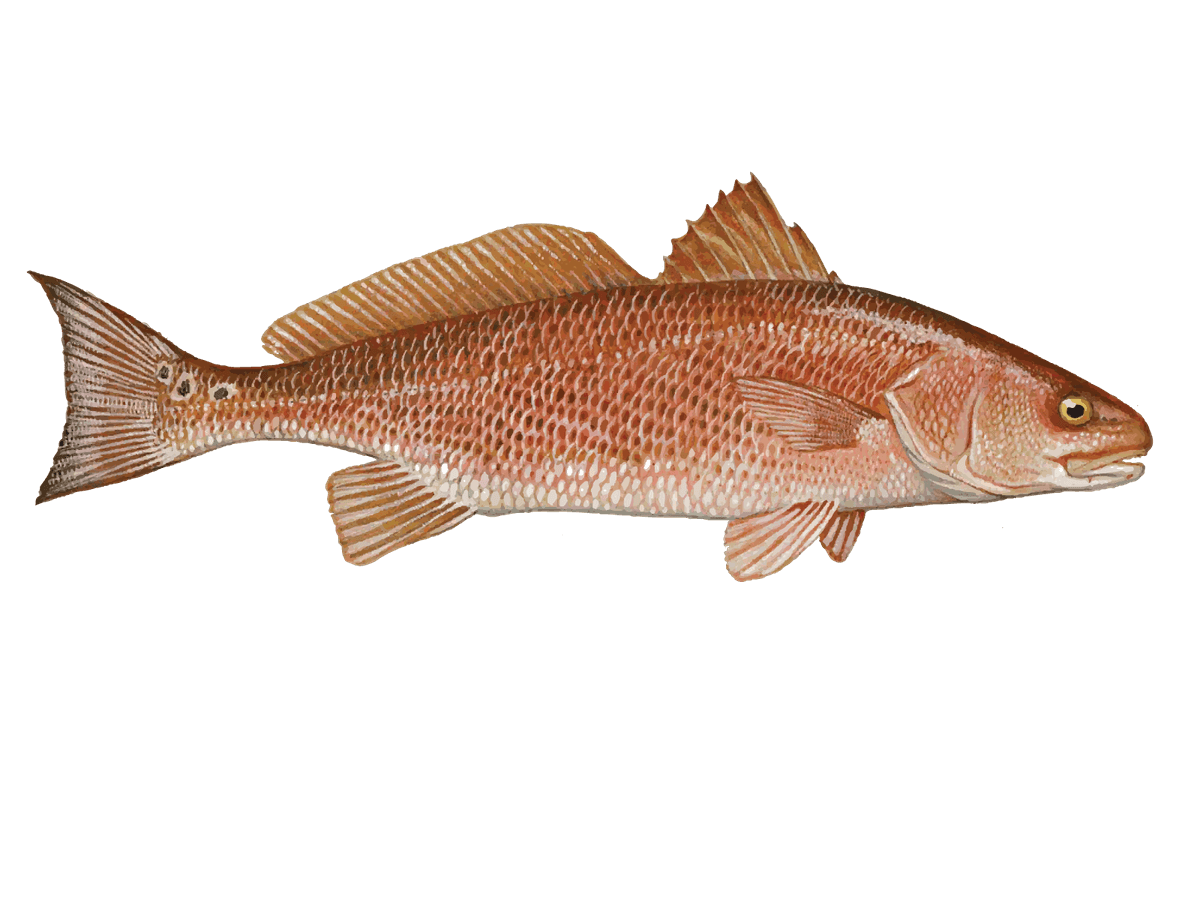
Redfish are shallow water warriors that'll give you a fight you won't forget. These copper-colored beauties average 20-30 inches but can reach 40+ pounds in deeper water. Look for them in 1-4 feet of water around grass flats, oyster bars, and marsh edges - sometimes so shallow their backs stick out. Spring through fall is prime time, especially during cooler morning and evening hours. What guests love most is the explosive topwater action and strong runs these fish make. They're also excellent eating with mild, sweet meat. The distinctive black spot near their tail makes them easy to identify. My go-to trick is using topwater plugs like Skitter Walks in the shallows early morning. Work it slow with long pauses - when a red hits topwater, it's pure magic. They're not spooky like some fish, but keep noise down in skinny water.
About the The Bandit
%2F%2Fusers%2Ffb49f5fb-b92e-4452-b354-09d50bea0f8d%2Fvehicle_picture%2F36181289-afc9-4d2c-aecd-25fd30a018ee.jpg&w=1200&q=75)
Vehicle Guest Capacity: 6
Manufacturer Name: Suzuki
Maximum Cruising Speed: 40
Number of Engines: 1
Horsepower per Engine: 200